

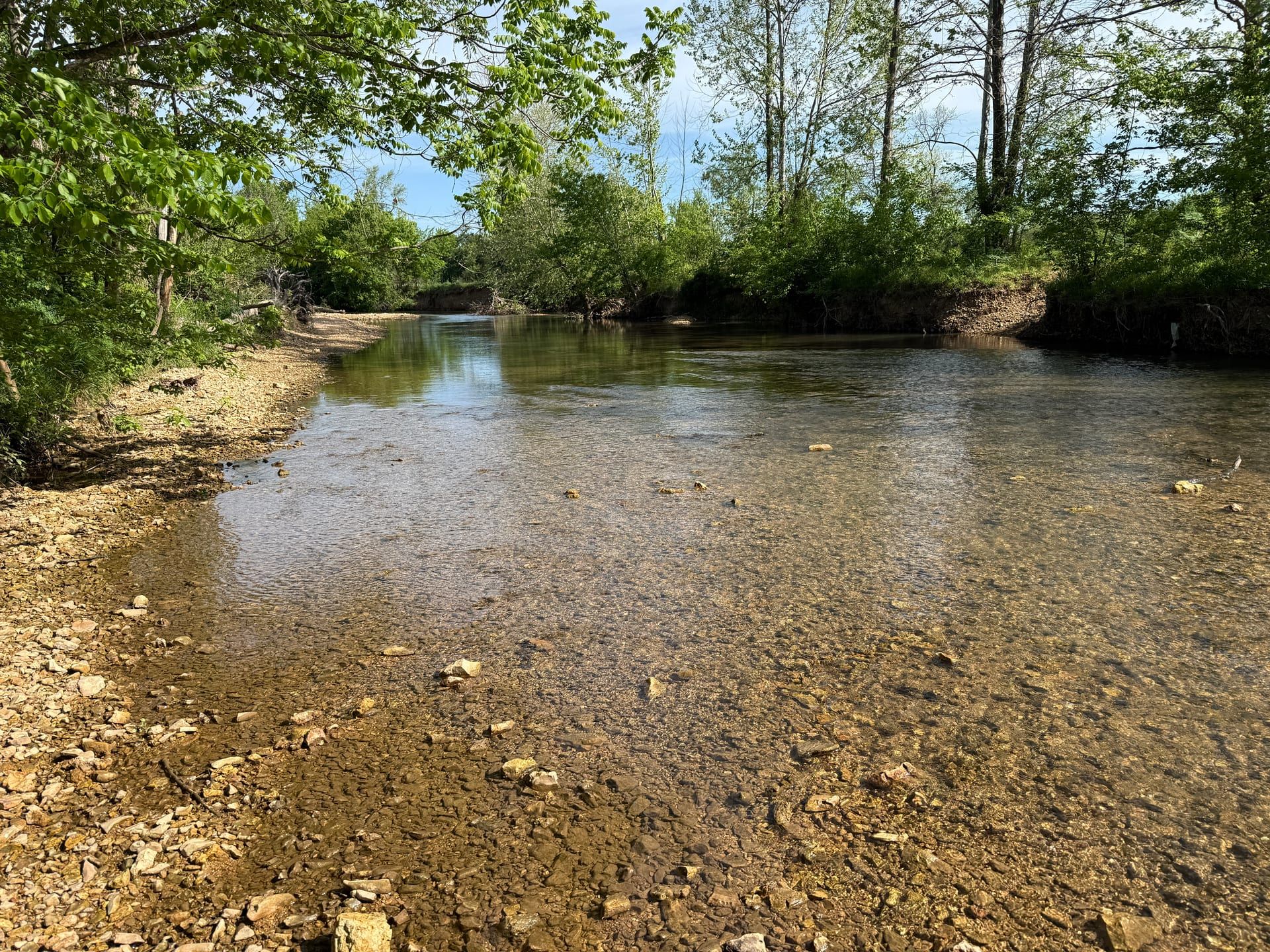
Why It Matters
Rare fish, spring-fed water, and a watershed that requires careful stewardship — as documented by Arkansas Natural Heritage Commission partners at Healing Springs Natural Area.
Healing Springs Natural Area
Among the most important aquatic sites in Arkansas
- Healing Springs Natural Area is owned by the Arkansas Department of Transportation and protected through a conservation easement held by the Arkansas Natural Heritage Commission (ANHC), which added the site to Arkansas’s System of Natural Areas in 2020.
- Two of Arkansas’s rarest fish — the Least Darter and the Arkansas Darter — were central to the site’s acquisition. Only three locations in Northwest Arkansas support both species; partners identify Healing Springs as the single most important site for both.
- Perennial groundwater from Fulbright Spring and Healing Spring forms a cold, spring-fed stream complex flowing into Little Osage Creek — roughly 0.87 miles of habitat that supports these and other sensitive aquatic species.
Arkansas Darter
A state imperiled species tied to spring-fed streams
- The Arkansas Darter (Etheostoma cragini) is ranked S1 in Arkansas — critically imperiled within the state — and G3–G4 globally. In Arkansas, it occurs only in the Illinois River watershed.
- Like the Least Darter, it is a habitat specialist requiring open canopy, limited wooded shoreline, dense aquatic vegetation, fine substrate, cold spring-influenced water, and permanent flow that is steady but not too fast.
- Protecting intact habitat at Healing Springs Natural Area supports one of the most significant remaining populations of this species in the state.
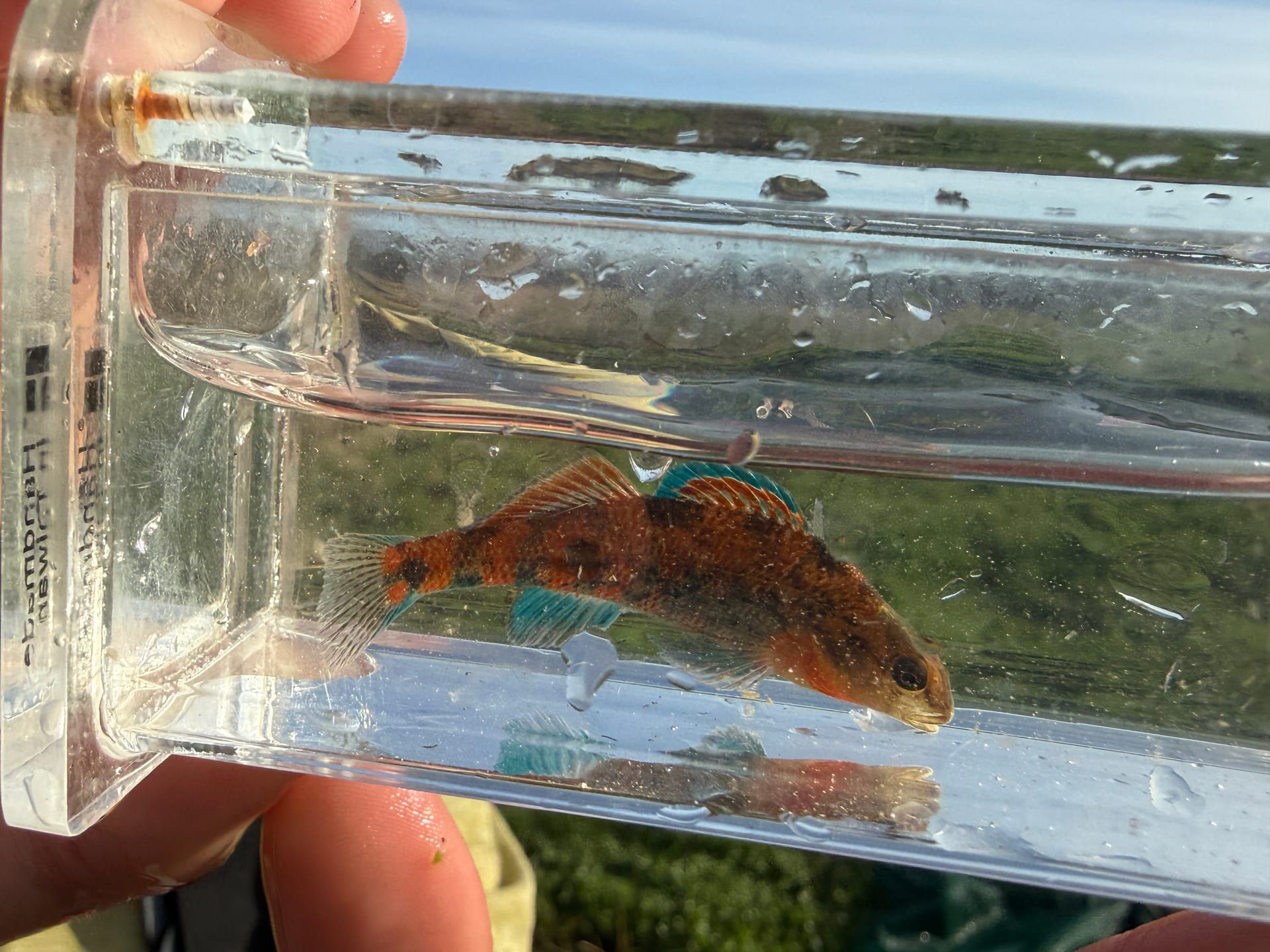
Least Darter
Northwest Arkansas populations with statewide significance
- The Least Darter (Etheostoma microperca) is ranked S1 in Arkansas and, in Northwest Arkansas, may represent an undescribed species sometimes referred to as the “Razorback Darter,” with taxonomic research underway.
- Relatively few streams in the Illinois River watershed meet the specific conditions both darters require — making each remaining site ecologically valuable and difficult to replace.
- During field visits at Healing Springs, partners have observed darters and other native fish in the spring runs — a direct measure of why stream conditions here matter at a statewide scale.
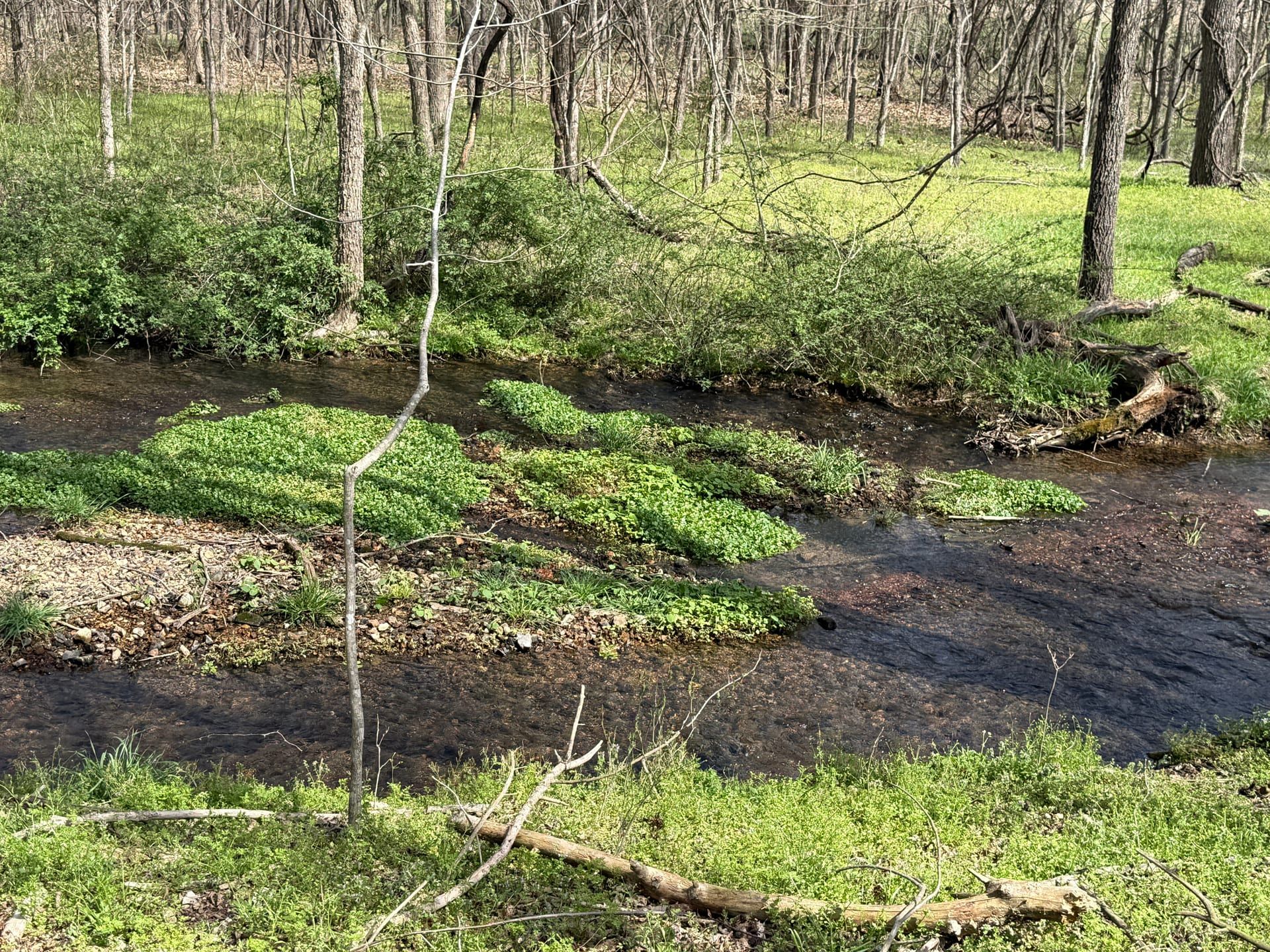
Little Osage Creek & Watershed Stewardship
Where spring water, erosion, and habitat meet
- Fulbright Branch and Healing Spring Branch flow into Little Osage Creek, connecting groundwater-fed springs to the broader watershed and the aquatic communities that depend on them.
- Partners have identified quickly eroding streambanks as an urgent concern — in one priority area, only about 50 feet separates Little Osage Creek from Healing Spring Branch. Riparian vegetation is essential to stabilizing banks and maintaining darter habitat.
- Long-term streambank stabilization, responsible recreation, and cooperative management among agencies, landowners, and community partners are needed to protect this system for the future.
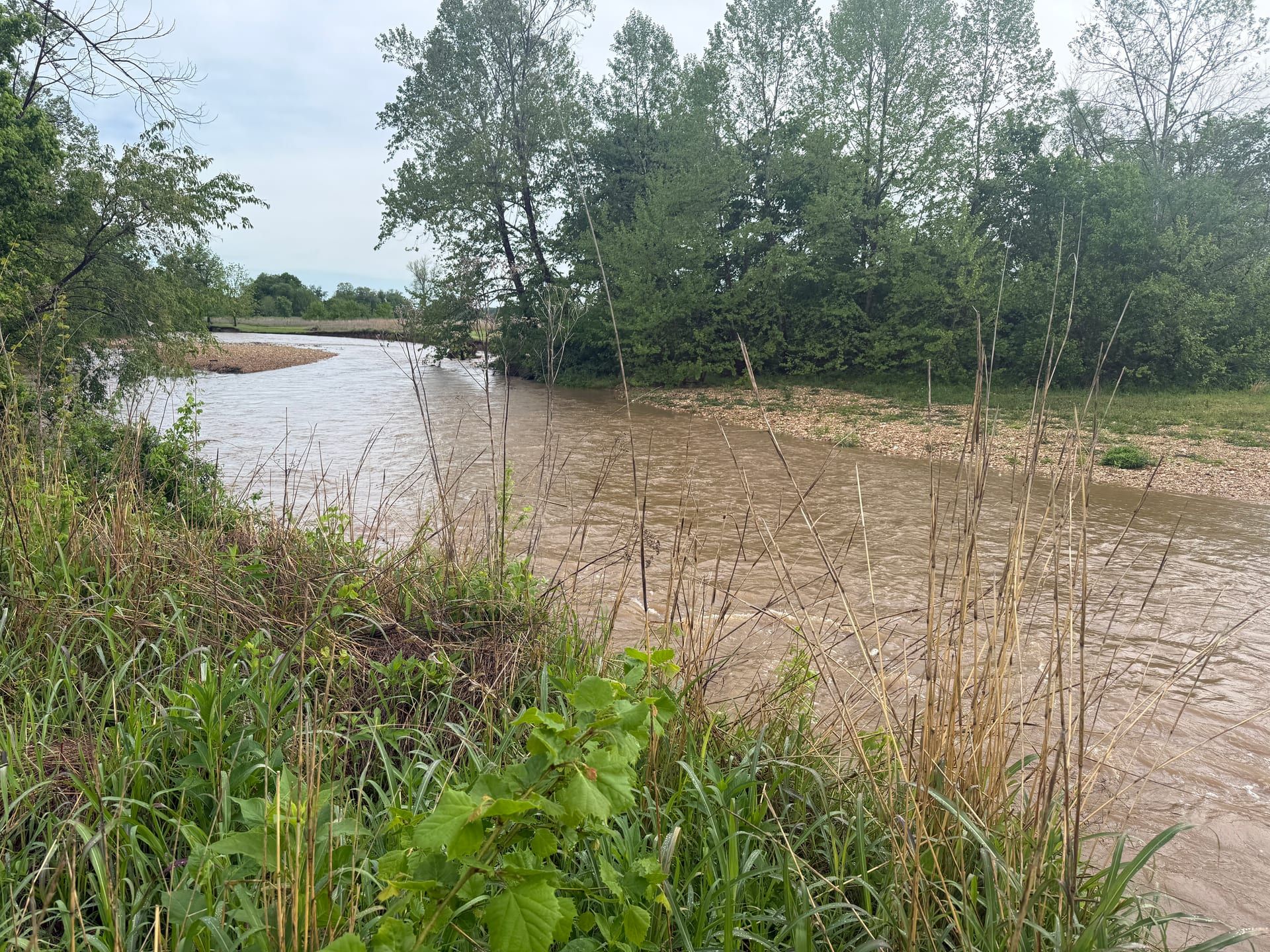
A Broader Aquatic Community
Fish, crayfish, and other sensitive species
- Healing Springs Natural Area supports additional rare fish including the Sunburst Darter, Redspot Chub, and Plateau Darter (S3), along with native species such as Cardinal Shiner and Fantail Darter.
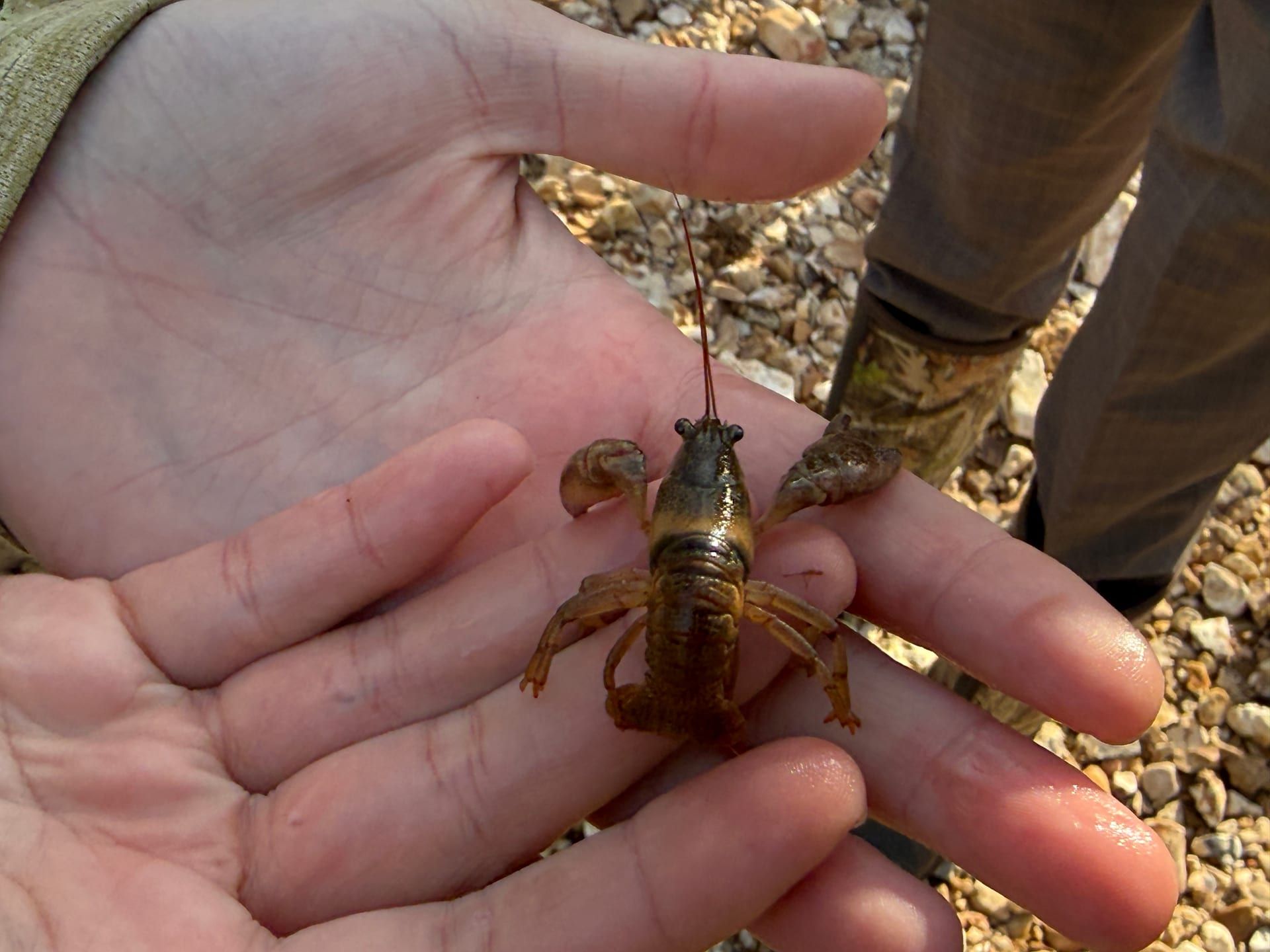
- Stream-dwelling crayfish found here include Meek’s Short-pointed Crayfish and Midget Crayfish (S3), Illinois River watershed endemics, and the Osage Burrowing Crayfish (S3–S4).
- The site also provides habitat for the Western Grotto Salamander (S2) and the federally threatened Ozark Cavefish (S1) — species that reflect the connected groundwater, surface water, and riparian systems of this landscape.
Protecting What Cannot Be Replaced
Healing Springs Natural Area holds roughly 0.87 miles of Least and Arkansas Darter habitat, fed by Fulbright Spring and Healing Spring. Erosion, sedimentation, and riparian disturbance can permanently alter conditions these species cannot survive without. Stewardship today protects a resource of statewide importance.